Table of Contents
Nostalgic ’90s TV
The ‘90s gave us a golden era of television that shaped how we think about comedy, friendship, and family. Let’s dive into the shows that prove great writing, genuine heart, and timeless humor never go out of style.
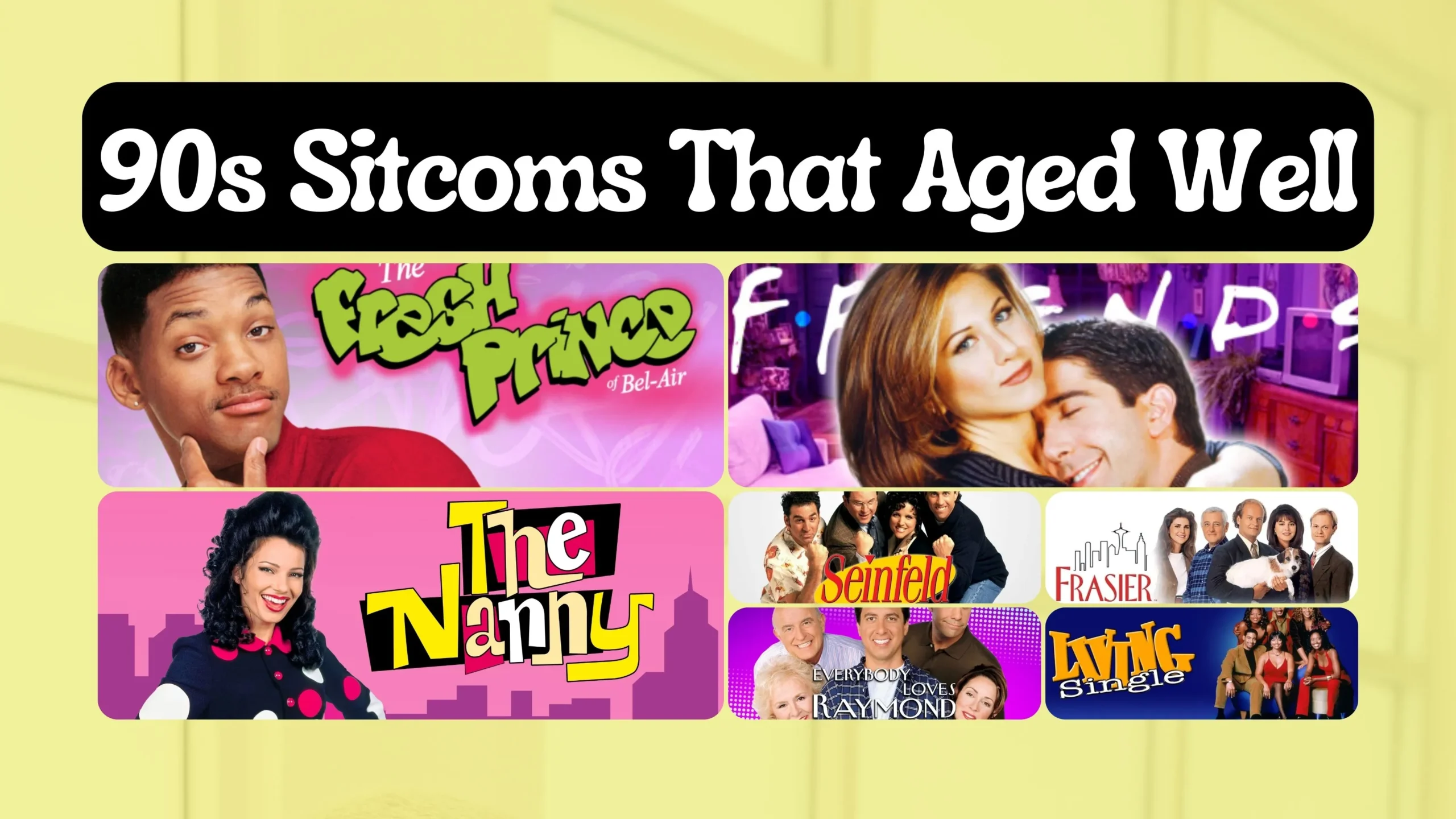
While it brought us classics like Seinfeld and Friends, the ‘90s brought a number of more-then-spectacular sitcoms, people all across the country are re-watching ‘90s sitcoms according to a new study. Apparently, 38% of Americans watch Friends, The Fresh Prince of Bel-Air, The Nanny and even Married… With Children every week.
Characteristics of ‘90s Sitcoms That Aged Well
’90s sitcoms shaped pop culture through relatable characters, memorable catchphrases, and fashion trends, while also influencing modern TV with their storytelling, timeless humor and relatable themes (everyday social interactions, friendships, family, careers).
These legacies are evident in how streaming services and binge-watching are now mainstream, a model that can be traced back to the serialized nature of ’90s shows. The ‘90s were also known for its hugely popular and memorable theme songs that are still instantly recognizable today.
Iconic Sitcoms That Aged Well
What could be better, remembering some favourites from childhood and adolescence and getting a good dose of nostalgia on your screen at home? If you’re old enough, perhaps you saw some of them when they aired. From swift successes to lasting masterpieces, here are the ‘90s sitcoms that just did age well.
The Fresh Prince of Bel-Air (1990–1996)
Unflinching Realism in the Middle of the Laughs
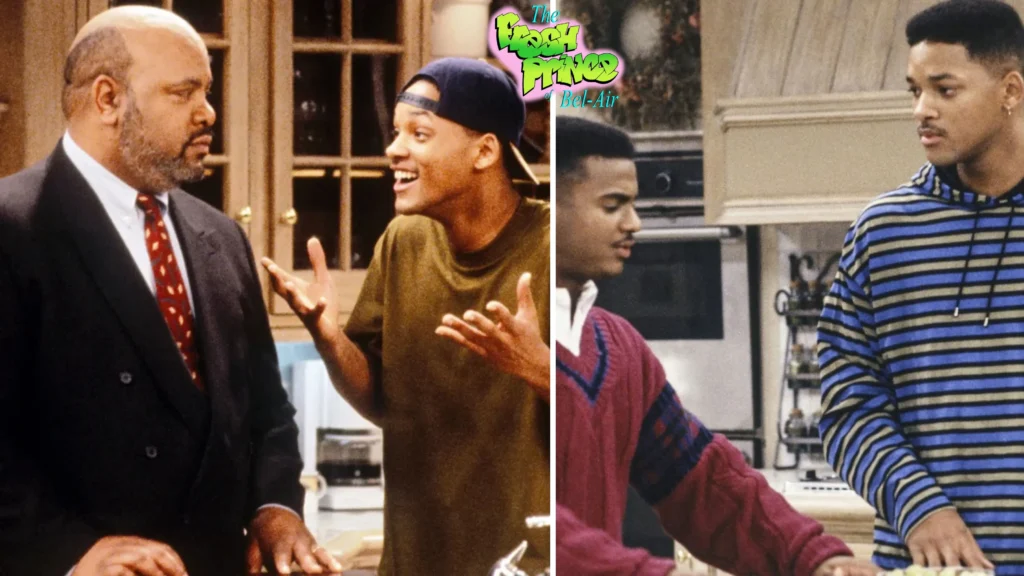
Watch on HuluThe Fresh Prince is often remembered for Will Smith’s bright colors, the iconic theme song, and Carlton’s dance. But look closer, and you’ll find one of the most culturally significant and complex sitcoms of the decade.
The show tackled serious issues without losing its comedic heart. Episodes about police profiling, gun violence, and code-switching in different environments feel incredibly relevant today. Will Smith’s charisma is timeless, but it’s the writing that elevated this from a standard fish-out-of-water sitcom to something genuinely meaningful.
Friends (1994-2004)
The Cultural Juggernaut
Watch on NetflixThis ensemble comedy about navigating love, careers, and friendship remains a cultural touchstone for its relatable chaos and witty banter. The humor is character-driven and observational, focusing on universal awkwardness rather than punching down, making episodes endlessly rewatchable even today.
Iconic lines and dynamics (like Ross and Rachel’s will-they-won’t-they) transcend eras, with fans still quoting it as “the best comedy of all time”. The Thanksgiving episodes remain iconic. The physical comedy (Ross with the couch, anyone?) works regardless of era. Some emotional beats—Ross and Rachel’s first kiss, Monica and Chandler’s relationship evolution, Phoebe’s surrogate pregnancy—still land.
Seinfeld (1989-1998)
“A show about nothing” that’s actually about everything
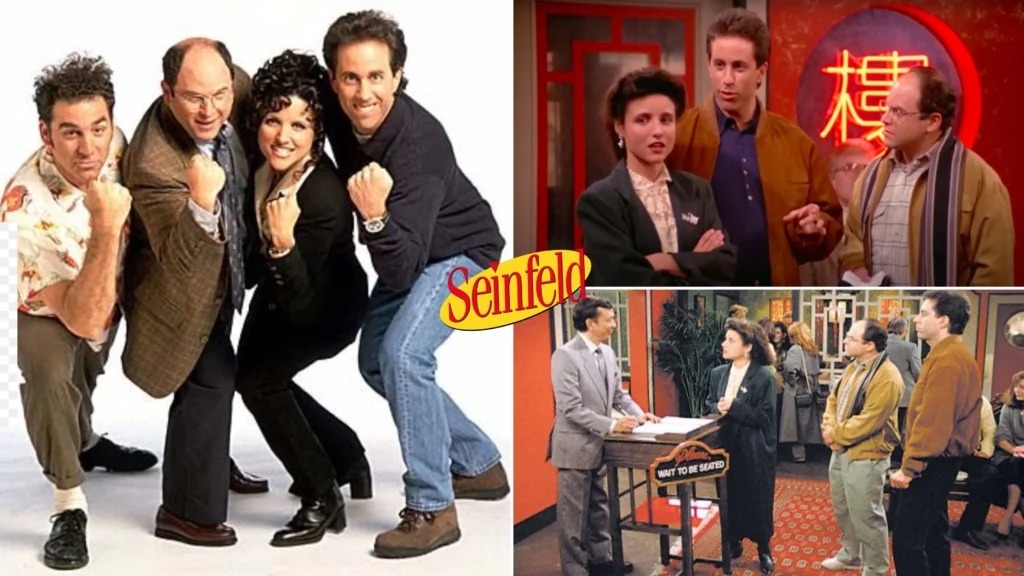
Watch on NetflixSeinfeld fundamentally changed the sitcom landscape by tossing out sentimentality and “very special episodes” in favor of cold, hard comedy about social contracts. As long as people still date, wait in lines, deal with frustrating neighbors, and misunderstand social cues, Seinfeld will be relevant. Its timelessness comes from focusing on petty, universal human behavior.
The observational humor about human behavior transcends era. Low talkers, close talkers, double dippers, and re-gifters existed in 1995 and still exist today. The show force character growth feels refreshing in an era where every sitcom supposedly needs an emotional arc.
Frasier (1993–2004)
Timeless Wits & Character Depth
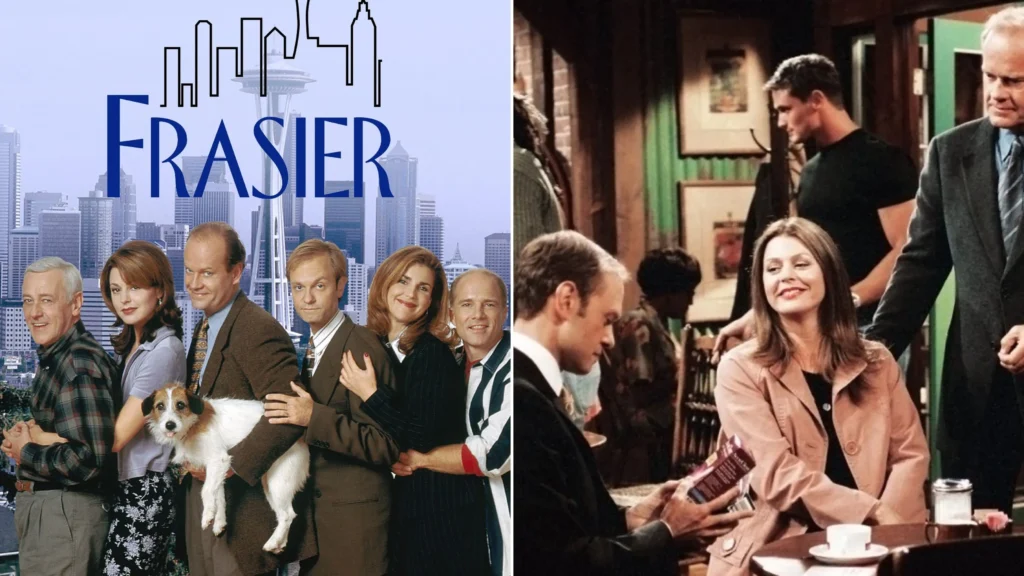
Watch on Amazon PrimeIf you want proof that smart writing is immortal, look no further than Frasier. This Cheers spin-off about the high-brow psychiatrist Dr. Frasier Crane hosting a Seattle radio call-in show is the antithesis of a standard family sitcom.
The show’s sophistication and wit—the verbal sparring, the farce elements, the classical sitcom structure executed at the highest level—remain impressive. The writing was sharp. The Niles and Daphne slow-burn romance was beautifully done. Eddie the dog provided perfect comic relief.
Living Single (1993–1998)
Authentic Representation and Relatability
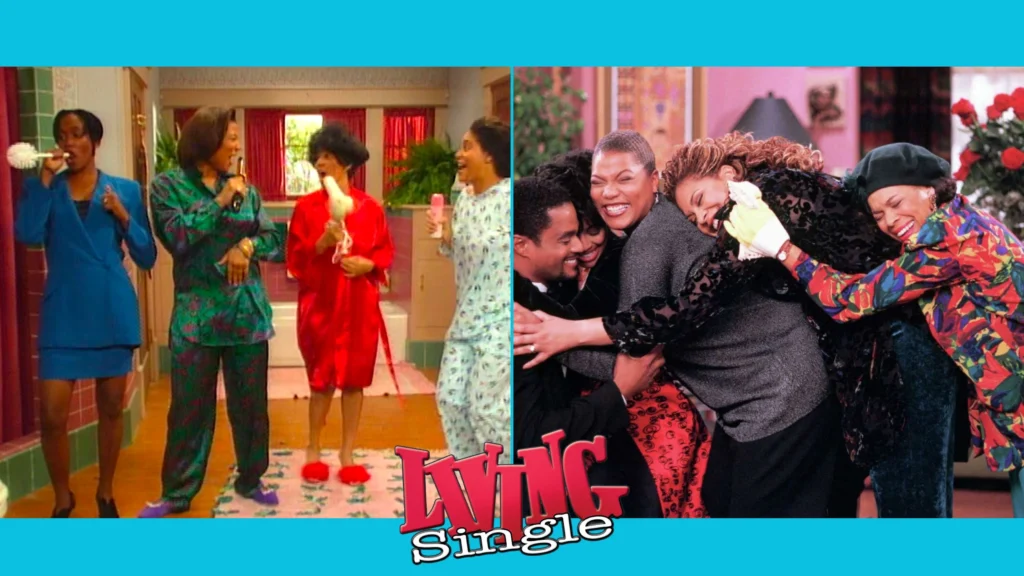
Watch on PhiloBefore Friends hit the air, there was Living Single—a witty, sharp sitcom about four Black women and two men sharing a brownstone in Brooklyn. The friendships are genuine, the dialogue is snappy, and the show’s focus on successful women (a magazine editor, a buyer, a lawyer) making it in a major city is a blueprint for so many shows that followed. It stands as an important corrective in the narrative of ’90s pop culture.
The characters feel like real people rather than archetypes. Khadija’s entrepreneurial journey running a magazine, Synclaire’s optimistic earnestness balanced with actual intelligence, Maxine’s unapologetic confidence, and Regine’s growth beyond the “bougie” stereotype—these were fully realized characters in a decade that often flattened representation.
The Nanny (1993–1999)
The Fashion, The Voice, The Heart
Watch on Prime VideoFran Drescher’s Bronx nanny brings chaotic charm to a wealthy family, thriving on her impeccable timing and feel-good escapism. The show’s “delightful” vibe stems from cast chemistry (especially with butler Niles) and mostly harmless un-PC jokes that prioritize soothing humor.
The chemistry between Fran Fine (Fran Drescher) and Maxwell Sheffield (Charles Shaughnessy) is electric, creating one of the best “will-they/won’t-they” dynamics ever. But the show’s staying power is its theme of inclusivity. Fran, the “flashy girl from Flushing,” brings warmth, Jewish culture, and working-class common sense to the uptight, British-leaning Sheffield family.
Everybody Loves Raymond (1996-2005)
Hyper-Relatable Family Dynamics
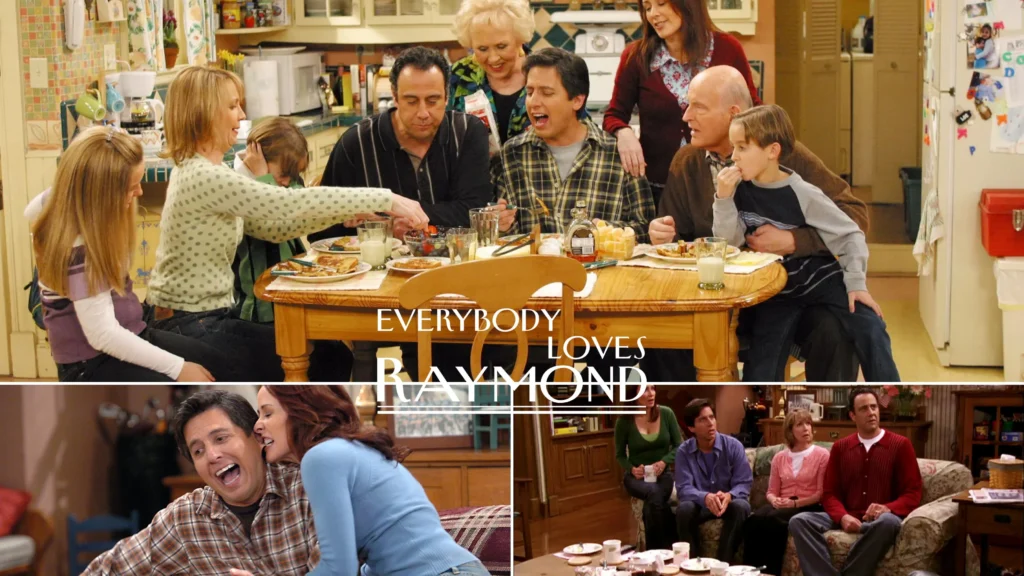
Watch on FandangoUnlike sitcoms that asked you to believe every family conflict could be resolved in 22 minutes, Raymond understood that some family dynamics are just… like that. Debra and Ray’s marriage felt real—they genuinely annoyed each other, and love didn’t magically fix everything.
The writing captured the exhausting reality of family obligations, the passive-aggressive dynamics between in-laws, and the way old patterns repeat themselves. Marie Barone is one of sitcom’s great antagonists precisely because she’s so recognizable.
What Makes a Sitcom “Age Well”?
After binging way too many episodes for “research”, some patterns emerge:
- Strong character writing over topical jokes: Shows built on genuine character dynamics rather than references to current events last longer. You can enjoy Seinfeld‘s low-talker episode without knowing anything about 1990s culture because it’s about human behavior.
- Self-awareness: Shows that knew when their characters were being ridiculous (like 3rd Rock or Frasier) age better than shows that asked you to find problematic behavior endearing.
- Themes over trends: Family dysfunction, friendship dynamics, workplace comedy, and coming-of-age stories are universal. A show about the specific technology of 1995 has a shelf life; a show about feeling like an outsider doesn’t.
- Emotional honesty: The best sitcoms balanced comedy with genuine emotion. Fresh Prince could make you laugh and cry in the same episode because it earned both. Boy Meets World worked because the characters’ feelings mattered.
- Representation done thoughtfully: Shows that treated diversity as normal rather than novelty, and that created fully realized characters rather than stereotypes, hold up better. Living Single ages well because those characters were people first, representation second.
The Takeaway for Today’s Binger
What makes these shows endure isn’t just nostalgia; it’s substance. They grounded their comedy in universal truths: family strife, the agony of dating, the joy of friendship, and the struggle to find your place in the world.
So whether you’re a Gen X veteran who was there for the first run, or a younger viewer discovering these gems on your streaming platform of choice, grab some popcorn. The best of the ’90s sitcoms are more than just a throwback—they’re a masterclass in comedy that proves a classic never truly goes out of style.
Frequently Asked Questions – FAQs
What is the best 90s sitcom to rewatch today?
While subjective, Seinfeld, The Fresh Prince of Bel-Air and Friends are widely considered the best 90s sitcoms to rewatch. Seinfeld remains relevant due to its observations on social etiquette, while The Fresh Prince is praised for balancing humor with timeless emotional storylines. Other top contenders include Frasier for its wit and Living Single for its authentic ensemble chemistry.
What is the difference between 90s sitcoms and modern sitcoms?
The biggest differences are pacing and tone. 90s sitcoms usually followed a “setup-punchline” rhythm and were often more theatrical. Modern sitcoms tend to be faster-paced, often lack a laugh track, and lean more into “cringe comedy” or mockumentary styles. However, the 90s focus on strong character archetypes remains a blueprint for today’s writers.
Which 90s sitcom dealt with serious social issues?
The Fresh Prince of Bel-Air is famous for tackling heavy social issues while maintaining its comedy. The show dedicated episodes to racial profiling by police, drug use, gun violence, and absentee fatherhood. The episode “Papa’s Got a Brand New Excuse” is frequently cited as one of the most emotional moments in sitcom history.
Is “Frasier” worth watching if I haven’t seen “Cheers”?
Yes, absolutely. Frasier was written to stand entirely on its own. While it is a spinoff of Cheers, you do not need any prior knowledge of the original show to understand the characters or enjoy the sophisticated wit and slapstick humor of the Crane family.