Table of Contents
The Nostalgic Renaissance Taking Over Playrooms
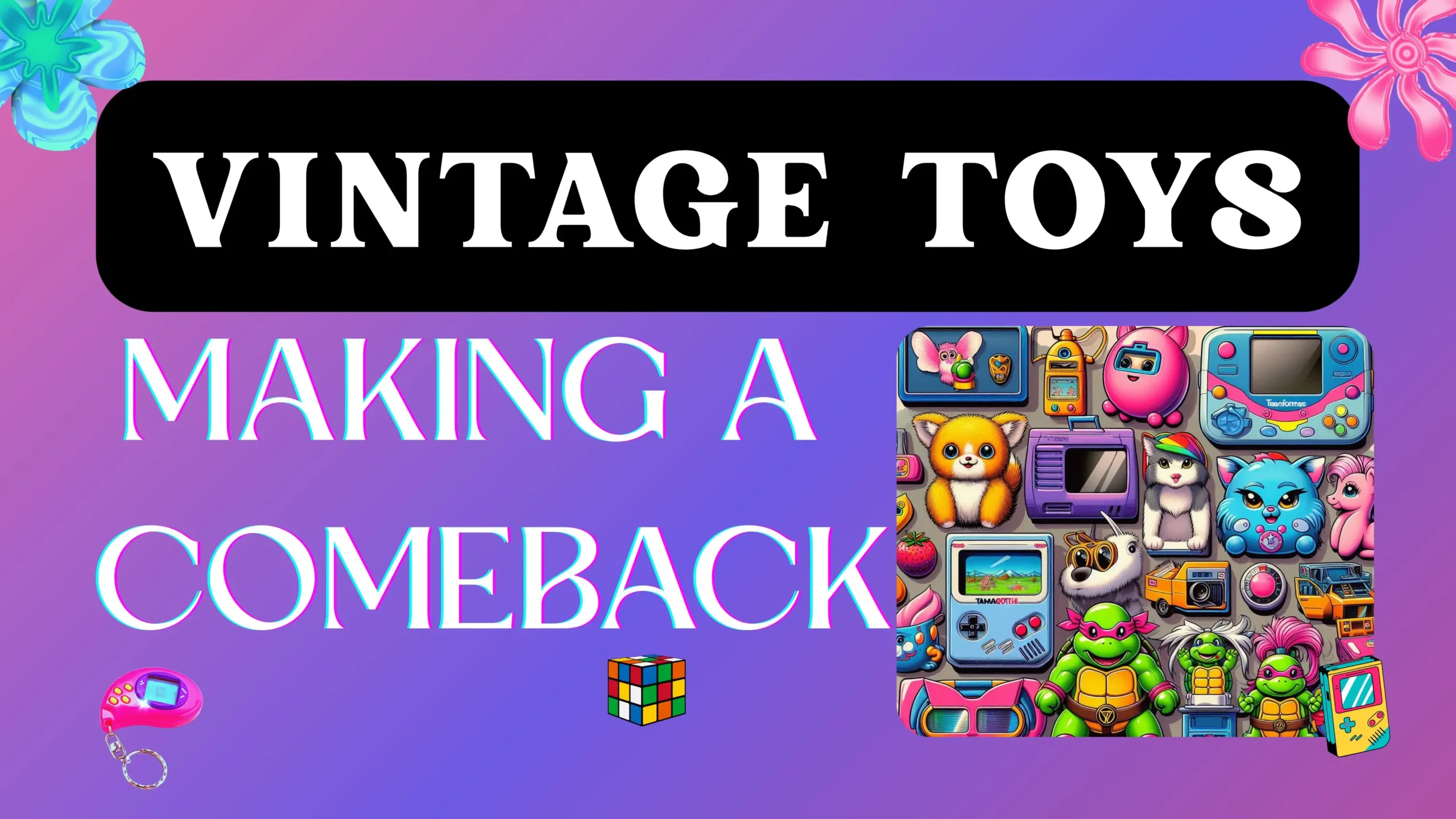
The toys you grew up with—the ones your parents probably threw out in a garage sale or donated when you went off to college—are back. And they’re not just back; they’re thriving. Vintage toys making a comeback massively, fueled by nostalgia-hungry parents, savvy collectors, and clever modern reboots.
So what vintage toys are making this comeback — and why now?
Why Vintage Toys Are Dominating: The Nostalgia Boom Explained
Why dust off old Furby now? Sales data tells the story: The global retro toy market hit $1.2 billion in 2025, projected to surge 15% in 2026 (Statista). Etsy reports vintage toy searches up 40% year-over-year, while resale platforms like eBay see 90s icons like Beanie Babies fetching 300% premiums. It’s not just hoarding—it’s generational bonding. Millennial parents (born 1981-1996) are buying these for their kids, blending their childhoods with today’s play.
Nostalgia Meets Parenting
Millennials and Gen X parents — now raising little ones of their own — have become the dominant consumer demographic, and they’re raising kids while drowning in a sea of screens, apps, and algorithmic content. When it comes time to choose toys for their children, many are instinctively reaching for what they know and love. It’s not just about sharing childhood memories; it’s about offering something tangible, something that sparked real imagination before iPads existed.
This isn’t about resisting technology — it’s about balancing screen time with tactile, imaginative play.
The Digital Detox Movement
In an era where the average child gets their first smartphone around age 10, parents are increasingly worried about screen time. Vintage toys offer something smartphones can’t: tactile, hands-on play that doesn’t involve notifications, in-app purchases, or algorithm-driven content. There’s something deeply reassuring about watching your kid play with the same Fisher-Price rotary phone you gnawed on as a toddler.
Quality Over Quantity
Let’s be honest: many of us remember our vintage toys lasting forever. That View-Master survived multiple moves and still clicked perfectly. Modern manufacturing has rediscovered this appeal, with many comeback toys emphasizing durability and timeless design over the cheap plastic that dominated the 2000s and early 2010s.
Viral Culture + Visual Aesthetics
Platforms like Instagram, TikTok, and Pinterest have helped make vintage toys fashionable again. From unboxings to playroom decor inspiration, retro toys look good and feel good — especially when adults share childhood stories alongside their kids’ playtime.
Collector Fever and Resale Goldmines
Toy enthusiasts aren’t sleeping on investment potential. Platforms like StockX treat rare vintages like blue-chip stocks—think AI-driven price predictors boosting flips. Cultural hits amplify it: Stranger Things Season 5 (dropping mid-2026) spotlights 80s toys, spiking demand 25% post-trailer (Google Trends).
Top 10 Vintage Toys Making a Comeback in 2026
1. Tamagotchi: The Digital Pet That Refuses to Die
Buy on AmazonRemember frantically pressing buttons during class to keep your pixelated pet alive? Tamagotchi made a stunning return starting in 2019, but the 2024-2026 editions have taken it to new levels. Bandai has released updated versions that maintain the original’s charm while adding connectivity features that let kids’ pets interact—basically creating a social network for digital chickens.
The genius move? They didn’t make it a phone app. They kept it as a standalone device, preserving that distinct experience of carrying around a dedicated toy. Sales figures show Tamagotchi has captured both nostalgic adults and a new generation of kids, with limited-edition collaborations selling out within hours.
2. Polly Pocket: Small but Mighty
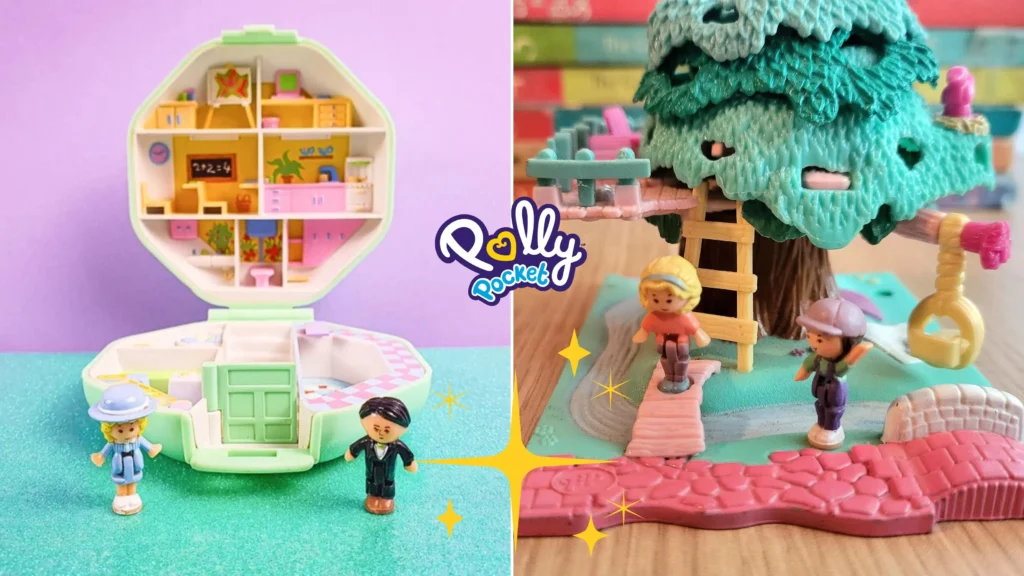
Buy on EtsyPolly Pocket’s comeback has been nothing short of spectacular. Mattel relaunched the line in 2018, but by 2025, they’d fully embraced the vintage aesthetic, bringing back the compact designs from the ’90s that could fit in your actual pocket. The modern versions honor the original scale—those tiny, choking-hazard-adjacent pieces that made playsets feel like magical miniature worlds.
The brand has also smartly targeted adult collectors with premium vintage re-releases featuring exact replicas of beloved ’90s sets. These collector editions regularly sell out, sometimes fetching prices north of $50 for a toy that’s essentially the size of a compact mirror. The lesson? Never underestimate the spending power of nostalgic millennials.
3. Care Bears: Belly Badge Therapy for Anxious Times
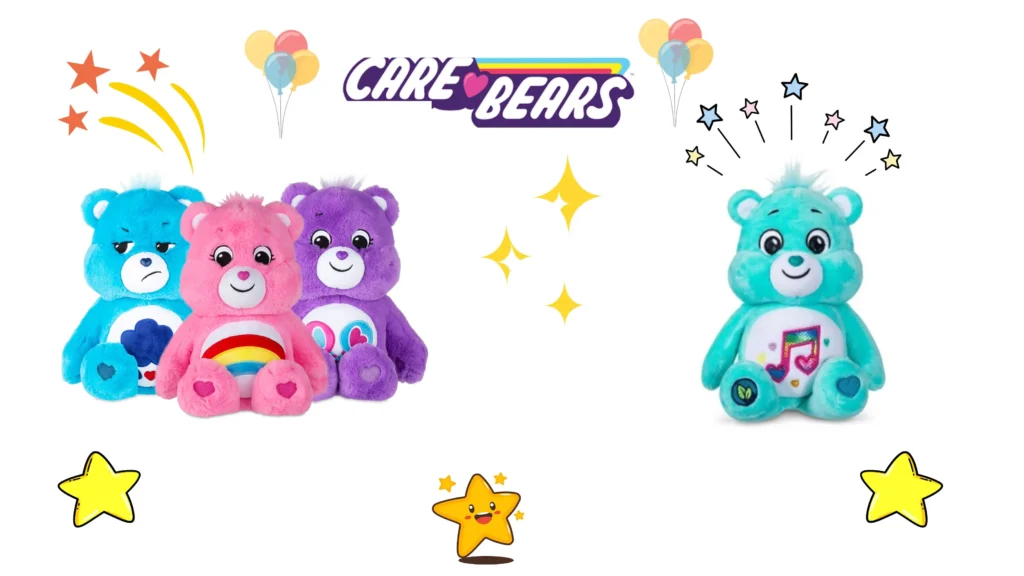
Buy on eBayCare Bears experienced a renaissance that goes beyond just toy sales. In our current climate of mental health awareness and emotional intelligence, these colorful bears preaching kindness, empathy, and caring have found surprising relevance. The brand has carefully maintained its original message while updating designs for modern sensibilities.
Target and other retailers report strong sales of both classic plush Care Bears and new product lines. What’s particularly interesting is how the brand has expanded into content—streaming series, movies, and social media presence—while keeping the toys at the center. For parents trying to teach emotional regulation to their kids, a Cheer Bear is a much gentler teaching tool than a lecture.
4. View-Master: Virtual Reality’s Grandparent
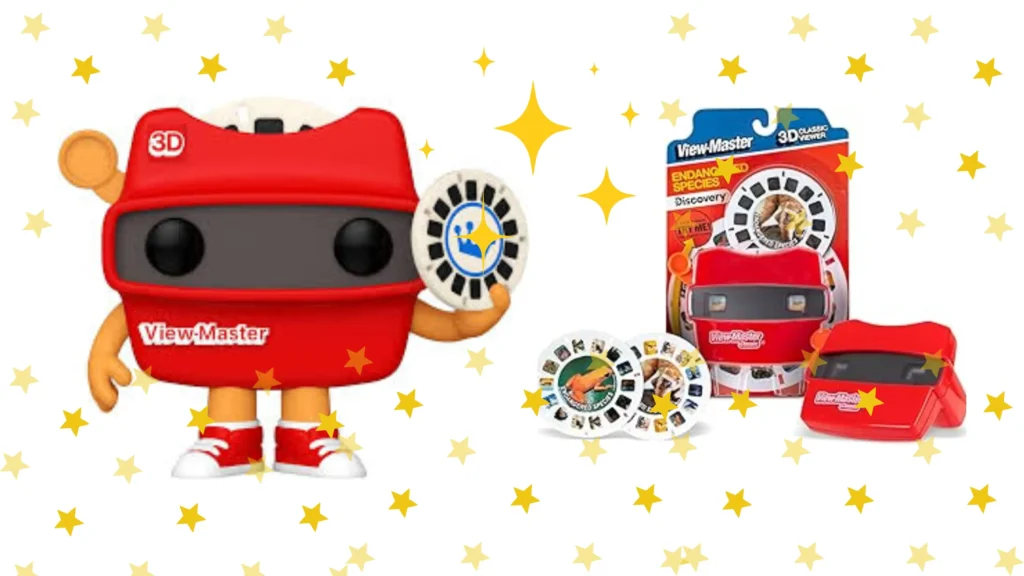
Buy on EtsyBefore VR headsets, there was View-Master—the stereoscopic toy that made 2D images feel three-dimensional. Mattel partnered with Google in 2015 to create a VR version, but the real comeback happened when they brought back the classic reels and viewers in retro packaging.
There’s something beautifully analog about clicking through View-Master reels of national parks or space exploration, especially in our hyper-digital world. It’s VR without the motion sickness, screen fatigue, or $500 price tag. Parents appreciate the educational value, kids enjoy the novelty, and collectors hunt down vintage reels from the ’60s and ’70s.
5. My Little Pony: Friendship Is Actually Magic
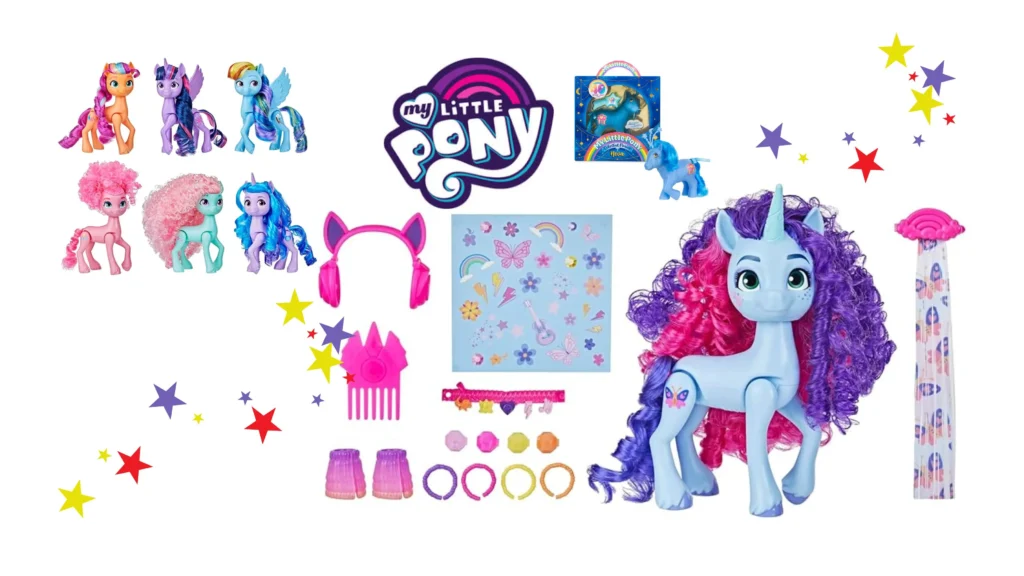
Buy on AmazonMy Little Pony never truly went away, but the brand experienced an unexpected renaissance starting with “Friendship Is Magic” in 2010. By 2026, Hasbro has embraced both the G4 designs that created a massive adult fanbase and vintage G1 aesthetics that appeal to original fans from the ’90s.
The collectible market for vintage ponies has exploded, with rare originals sometimes selling for hundreds of dollars. Hasbro’s response was to create “retro” lines featuring classic characters with period-accurate designs, bridging the gap between what kids want now and what their parents remember.
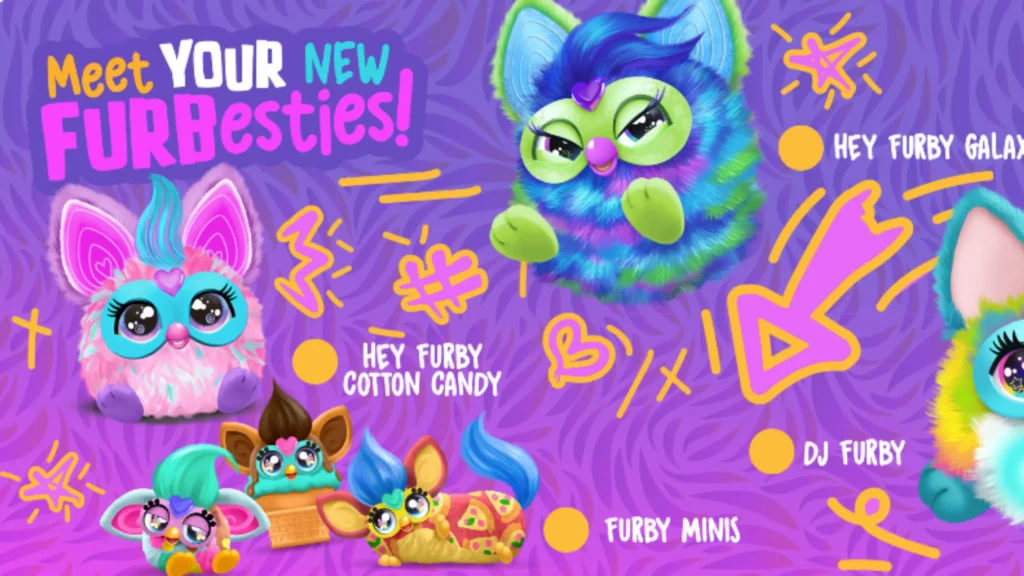
6. Furby: Still Creepy, Still Beloved
Buy on AmazonYes, Furby is back, and no, it’s still impossible to explain why these animatronic creatures are so appealing. Hasbro has revived Furby multiple times, with the most recent iterations in 2023-2026 bringing back the chaotic energy of the originals while adding app connectivity and more advanced AI responses.
The cultural conversation around Furby has shifted from “what is this thing?” to “remember when we thought Furbies were listening to us?” That shared nostalgia—including all the urban legends about them learning curse words or talking in the middle of the night—has made furby hot sellers again. Sometimes, the creepy factor is part of the charm.
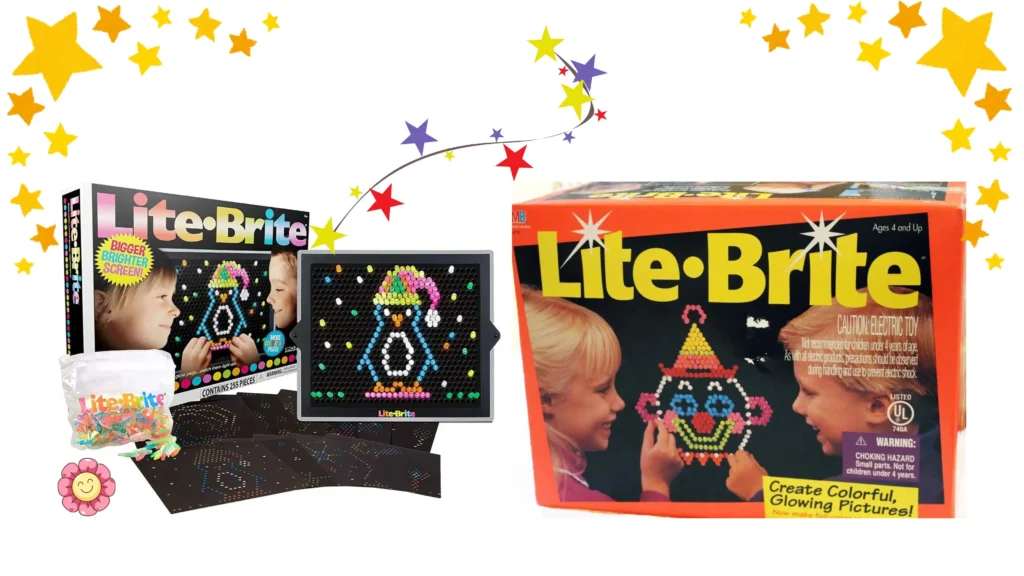
7. Lite-Brite: Glowing Art Therapy
Buy on EtsyFew toys are as immediately recognizable as Lite-Brite, with its distinctive black screen and colorful translucent pegs. Basic Fun! acquired the rights and has released multiple versions, including portable flat-screen versions and classic editions that honor the original bulky design with the actual light bulb inside.
The appeal is timeless: it’s creative, it glows, and it produces immediate visual satisfaction. In an age of digital art apps, there’s something special about physically placing each peg and seeing your creation illuminate. Art therapists and occupational therapists have also rediscovered Lite-Brite for its fine motor skill benefits and calming, meditative qualities.
8. Transformers: More Than Meets the Eye
Buy on AmazonTransformers have maintained relevance through movies and TV shows, but the collector market has exploded. Hasbro’s “Vintage G1” reissues bring back the original ’90s designs in retro packaging, while premium lines like Masterpiece Edition offer highly detailed versions for adult collectors willing to spend $100+ on a single figure.
The genius of Transformers’ comeback is how it serves multiple markets: kids get modern, movie-accurate versions, while nostalgic adults can buy the exact Optimus Prime they had in 1984. This multi-tier approach has made Transformers one of the most successful vintage toy comebacks.
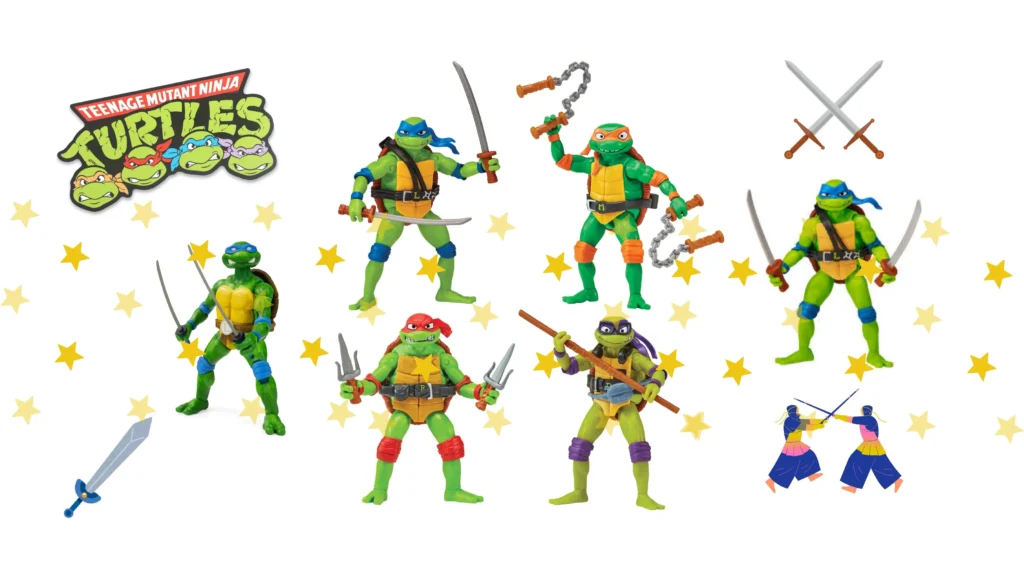
9. Teenage Mutant Ninja Turtles: Heroes in a Half-Shell Forever
Buy on eBayTMNT has experienced multiple revivals, but the current iteration under Paramount successfully balances nostalgia with innovation. Playmates has released both modern figures and special “Classic Collection” lines featuring the original 1988 designs and cardback artwork.
The turtles’ enduring appeal lies in their flexibility—they’ve remained relevant through multiple TV series, movies, and comics while maintaining core elements that resonate across generations. That pizza-loving, sewer-dwelling concept somehow works in any era.
10. Fisher-Price Classics: Baby’s First Nostalgia
Buy on AmazonFisher-Price has leaned hard into its vintage catalog, re-releasing classics like the Chatter Telephone, the Corn Popper, and the School Bus with Little People. These toys are specifically designed to trigger millennial parents’ memories while introducing the same simple, durable designs to a new generation.
What makes these comebacks special is that Fisher-Price hasn’t changed much. The Chatter Telephone still has that distinctive ring and rotating dial. The Corn Popper still makes that satisfying popping sound. When you give your toddler the same toy your parents gave you, it creates a tangible connection across generations that feels increasingly rare.
The Modern Twist: How Vintage Toys Evolved
Here’s what’s clever about the vintage toy comeback: most of these toys aren’t identical to their original versions. Toy companies have learned to balance nostalgia with modern expectations.
- Safety Updates: Toys from the ’80s and ’90s were… let’s say “less concerned” with small parts and sharp edges. Modern reissues maintain the look and feel while meeting current safety standards. Polly Pocket is small but not “definitely getting lodged in a toddler’s windpipe” small.
- Tech Integration: Many vintage toys now include optional app connectivity or light-up features powered by LEDs instead of incandescent bulbs. Furby can connect to smartphones, modern Tamagotchis can link together, and some View-Master versions work with VR technology.
- Sustainable Materials: There’s growing emphasis on eco-friendly manufacturing, with some companies using recycled plastics or sustainable materials—something original manufacturers rarely considered.
- Inclusive Design: Modern vintage toys often feature more diverse representation in packaging, instructions, and character options, updating the homogeneous marketing of previous decades while keeping the core toy experience intact.
The Collector Economy: When Toys Become Investments
The vintage toy market isn’t just about kids playing—it’s become a serious collector economy. Sealed vintage toys from the ’80s and ’90s regularly sell for thousands of dollars at auction. A mint-condition 1985 Optimus Prime? That could fetch $2,000 or more.
This collector demand has created an interesting dynamic where toy companies release “collectible” vintage reissues specifically for adults. These premium versions often feature better materials, more articulation, and retro packaging designed to look like the original release. They’re not meant for kids—they’re meant for the 40-year-old who always wanted that toy but couldn’t afford it in 1987.
Websites like eBay and specialized vintage toy marketplaces show consistent demand for both original vintage toys and modern reissues. It’s not uncommon for limited-edition retro releases to sell out within hours and immediately appear on secondary markets at markup.
The Cultural Impact: More Than Just Toys
The vintage toy comeback reflects broader cultural trends. In an era dominated by digital experiences, algorithmic entertainment, and constant connectivity, physical toys represent something tangible and permanent. They can’t be updated remotely, don’t collect data, and won’t disappear if a streaming service loses licensing rights.
These toys also represent generational bridge-building. Grandparents can connect with grandkids over toys they bought their own children. Parents can share stories about their childhood while their kids create new memories with the same toys. It’s a form of intergenerational play that feels increasingly precious.
There’s also a rejection of planned obsolescence. Vintage toys were built to last, and their comebacks often emphasize durability over disposability. In our increasingly sustainability-conscious world, buying a toy designed to survive decades rather than months feels like a small act of environmental resistance.
The Takeaway: Play Never Gets Old
Vintage toys aren’t just making a comeback in 2026 — they’re thriving, evolving in ways that honor their past while remaining meaningful for today’s families.
Whether you’re a millennial parent seeking connection, a collector hunting cherished classics, or a toy enthusiast soaking up nostalgia, this is your era of retro play. And as these timeless treasures continue to delight and inspire, one thing is clear:
Toys aren’t just playthings — they’re bridges between childhoods, generations, and stories that never really fade.
Frequently Asked Questions – FAQs
Which toys from the 90s are popular again?
Iconic 90s toys like Tamagotchis, Beanie Babies, Polly Pocket, Pokémon cards, Furby, and Power Rangers action figures are enjoying renewed popularity. Many of these toys are being reissued or rediscovered by collectors and nostalgic adults.
How can I tell if my old toys are worth money?
To determine a toy’s value, look for the “Three Cs”:
– Condition: Mint-in-box (MIB) or Never-Removed-From-Box (NRFB) items command the highest prices.
– Completeness: Ensure all original accessories, manuals, and packaging are present.
– Country of Origin: Certain manufacturing variants (e.g., Made in Japan vs. Macau) can drastically change a toy’s rarity and price.
What toys are collectors looking for?
Collectors are actively seeking limited‑edition action figures, rare trading cards, vintage LEGO sets, Hot Wheels, Barbie dolls, and Star Wars memorabilia. Condition, rarity, and original packaging significantly increase collectible value.
Why are nostalgic toys popular again?
Nostalgic toys are popular again because they evoke emotional connections, spark cultural trends, and bridge generations. Social media, reboots of classic shows, and retro marketing campaigns have fueled their resurgence.
What retro toys are parents buying for kids?
Parents are buying LEGO sets, Play‑Doh, Hot Wheels, Barbie dolls, and board games like Monopoly and Jenga. These timeless toys encourage creativity and family bonding while allowing parents to share their own childhood favorites with their kids.